How to Edit CMS Without a Developer Easily
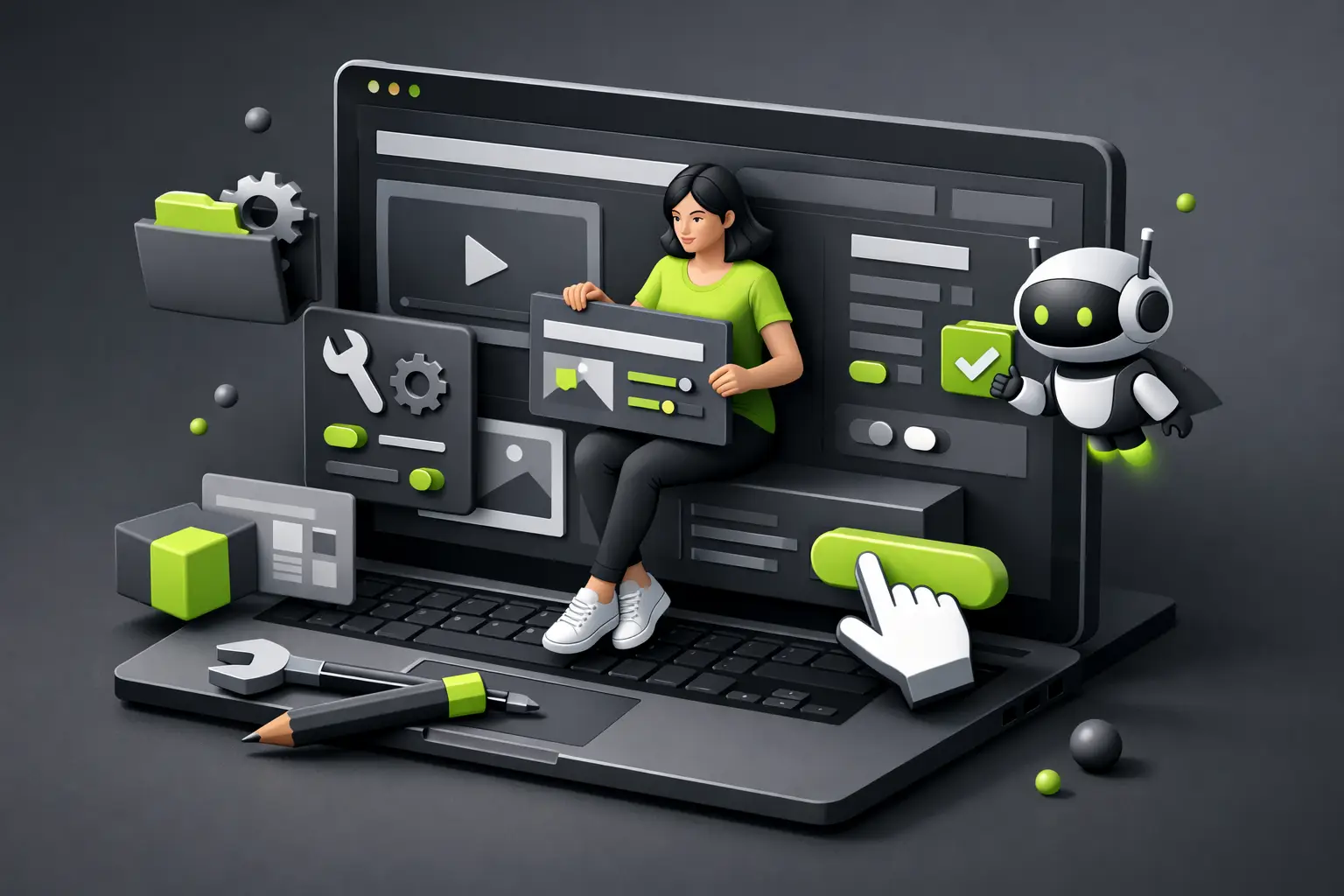
The bottleneck isn't always in design or SEO. Often it's something much simpler: changing a title, uploading a case study, or correcting a date and having to wait for a developer. If you're looking for how to edit CMS without a developer, the good news is that today there really is a faster, more organized, and more cost-effective way to manage your site.
The key isn't just about "being able to edit." The real difference is editing without breaking the design, without touching code, and without turning every change into an endless chain of messages, approvals, and rework. For a company that needs to launch campaigns, publish content, update services, or roll out promotions, that control isn't a luxury. It's business speed.
What it means to edit a CMS without depending on a developer
Editing a CMS without technical support isn't about entering the backend and crossing your fingers. It's having a structure designed so that someone from marketing, sales, operations, or management can update content safely. That includes texts, images, articles, projects, testimonials, FAQs, job openings, or dynamic pages.
When the system is well built, your team edits from clear and logical fields. They don't need to understand HTML, CSS, or web architecture. They just fill in the right information in the right place. The site maintains its design, its SEO structure, and its visual experience while content changes with agility.
That "while" matters a lot. Because yes, almost any platform promises ease of use. But not all of them solve the relationship between editing freedom and brand control well. Some leave the user too limited. Others give so much freedom that they end up disorganizing the web in a matter of weeks.
How to edit CMS without a developer without losing control
The best scenario looks like this: your site looks premium, loads fast, ranks well, and also allows your team to publish content without asking permission each time. To achieve this, the CMS needs to be designed from the start with editorial logic, not just visual logic.
That means defining which parts of the site are editable, which ones should remain locked, and how information is organized. For example, a blog needs fields for title, summary, author, featured image, category, and basic SEO. A services directory might require short descriptions, benefits, frequently asked questions, and calls to action. A portfolio needs visual consistency so each project looks strong without editing the entire template.
When that structure is well resolved, editing becomes almost as simple as filling out an intelligent form. That's where platforms like Webflow shine, because they combine design control with a visual and quite intuitive CMS. Framer can also work very well in certain scenarios, especially when the priority is launching quickly with lightweight and visually polished sites, although the level of content complexity defines which works better.
What you should be able to edit internally
Not everything on a web should be open for anyone on the team to edit. But there are areas that it's worth managing without external dependency if you want real speed.
Most companies gain a lot when they can update blog entries, news, testimonials, profiles, projects, temporary banners, service pages with modular text, and basic on-page SEO elements. It's also useful to be able to schedule posts or leave content ready for review.
Now, if we're talking about redesigning layouts, changing complex interactions, moving global structures, creating new templates, or touching critical integrations, then it's usually better to have technical support. Not because it's impossible, but because the risk of affecting performance, consistency, or conversions is greater.
That's the less glamorous part of "without a developer": independence doesn't mean improvisation. It means autonomy within a well-designed system.
The most common mistake when trying to edit without a developer
Mistake number one is believing that any editable site has already solved the problem. It hasn't. What matters isn't just that a CMS exists, but how it was configured.
There are sites where the editing panel looks simple, but inside everything is tied together with technical logic that nobody else understands. You change a text and a module gets misaligned. You upload an image and it's too heavy. You create a new entry and the design loses consistency. That's not autonomy. It's a trap with a pretty interface.
Another common mistake is buying a generic template expecting it to work for your real business. Templates help you get started, but often they don't respond well to specific content flows, internal teams, or concrete business goals. If your site needs to capture leads, maintain premium branding, and rank in search engines, structure matters as much as design.
What a CMS needs for your team to use it well
A CMS useful for non-technical teams needs clarity before complexity. Field names should be obvious. Collections or content types should respond to real business needs. And the publishing flow should feel natural.
It also needs intelligent limits. For example, locked templates to protect visual identity, fields with simple instructions to prevent errors, suggested image sizes, and a clear hierarchy between primary and secondary content. All of this reduces friction and speeds up daily operations.
If the site was also built with an SEO focus, those fields can include descriptions, slugs, tags, and structures that help you publish better without depending on someone technical. That combination of premium design, speed, and editorial control is what turns a CMS into a growth tool, not just a pretty database.
How to know if your company is ready to edit its CMS
If your team updates content at least once a month, there's already a clear opportunity. If you publish campaigns, change promotions, add projects, or need to shift brand messages quickly, depending on a third party for every adjustment starts to get expensive.
You're also ready if you already have clarity about who edits, who approves, and what type of content changes most frequently. Without that order, even if the platform is excellent, editorial chaos appears quickly. The CMS makes it easier, but doesn't substitute for basic internal governance.
On the other hand, if your web almost never changes, has five static pages, and doesn't actively play a role in your sales or positioning, maybe you don't need such a flexible system. There it's worth being honest. Not every company requires an advanced CMS. But most brands competing for attention, leads, or digital authority do benefit from that flexibility.
How to edit CMS without a developer in practice
In practice, the ideal process looks more like a content routine than a technical task. You enter the panel, choose the type of content, fill in the fields, review the preview, and publish. That should take minutes, not days.
If the site was well thought out, you can even train several people on your team in little time. Marketing handles the blog, sales updates case studies, human resources publishes job openings, and management reviews key messages. Everyone participates without touching the deep structure of the site.
That's where professional implementation makes a difference. It's not just about delivering a beautiful website. It's about leaving behind a living, usable system prepared to grow with your business. At Flow™, for example, that approach has tremendous value for companies that want a high-performance website without being tied to slow processes.
Choosing the right platform changes everything
Webflow is often one of the best answers when the question is how to edit CMS without a developer and at the same time maintain visual control, security, and performance. It allows you to create solid content structures, dynamic pages, intuitive editing, and a much cleaner experience for non-technical teams.
Framer can be excellent if the project needs extreme launch speed, contemporary aesthetics, and less editorial complexity. But when the CMS is central to operations, it's worth evaluating carefully how far the flexibility you really need actually goes.
WordPress is still popular, of course, but many companies end up tired of plugins, maintenance, conflicts, and inconsistent editing experiences. It doesn't always happen, but it happens enough that stability and simplicity weigh more in the decision.
The best platform isn't the most famous one. It's the one that lets your team work fast, protects your brand, and supports real business objectives.
Editing content shouldn't feel like asking permission to grow. If your site is part of your sales, your positioning, or your credibility, you need a CMS that gives you control without punishing your time. That's where good structure becomes one of the most practical superpowers of your digital presence.